Artificial Intelligence and Advanced Inference (IA2)
Instituto de Astrofísica de Canarias
Instituto de Astrofísica de Canarias
The IA2 group is dedicated to the development and application of machine learning (ML), deep learning (DL), and artificial intelligence (AI) techniques for the analysis and interpretation of astrophysical data and beyond. Our research covers a broad range of topics, from solar physics to galaxy evolution and cosmology expanding to bio-medicine projects.
Our group is engaged both in national and international level projects and collaboration. We have access to state-of-the-art computational facilities in Spain and internationally, enabling us to tackle complex astrophysical problems with cutting-edge machine learning techniques. Our team includes key members and leading contributors in major astronomical collaborations such as Euclid, DESI, and JWST, where we play an active role in data analysis and scientific exploration.
By integrating advanced computational techniques with observational and theoretical astrophysics, we aim to optimize data processing, refine predictive models, and uncover new insights from large astronomical datasets and simulations, pushing the frontiers of modern astrophysics.
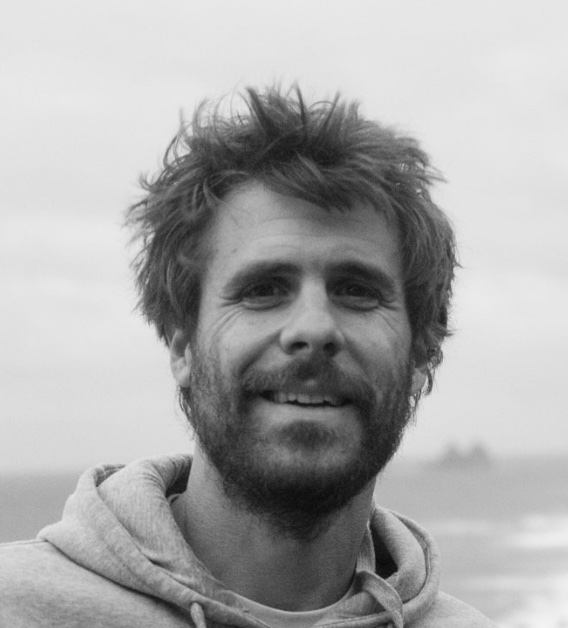
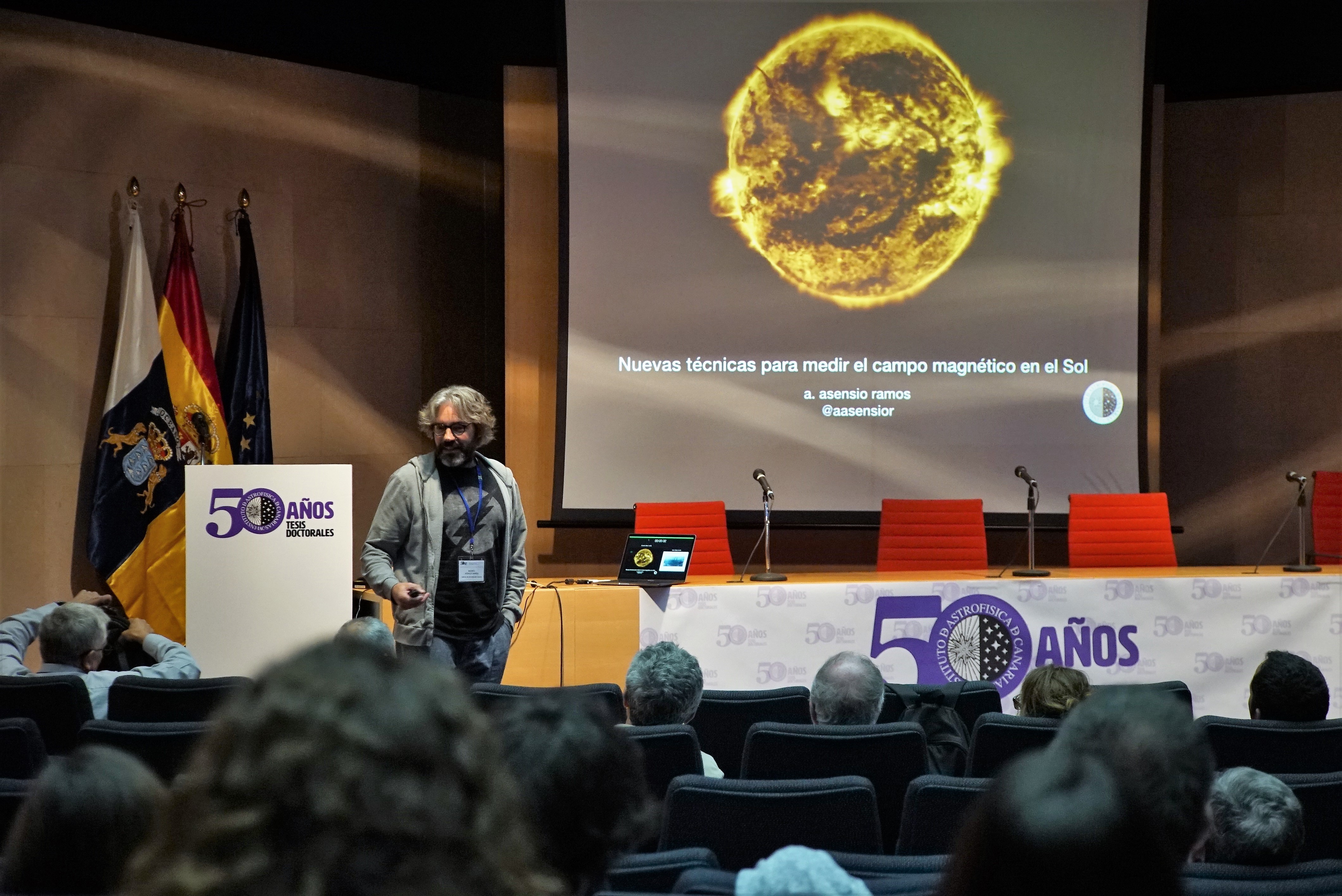
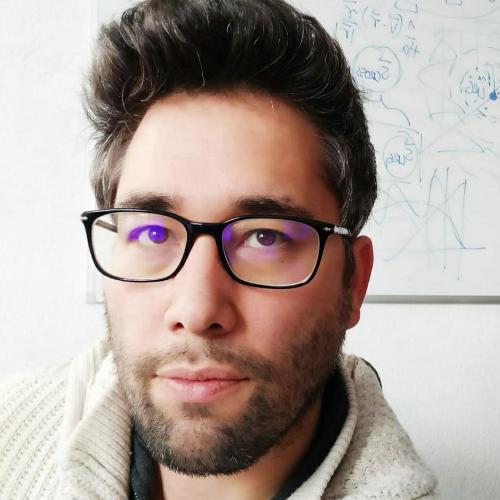
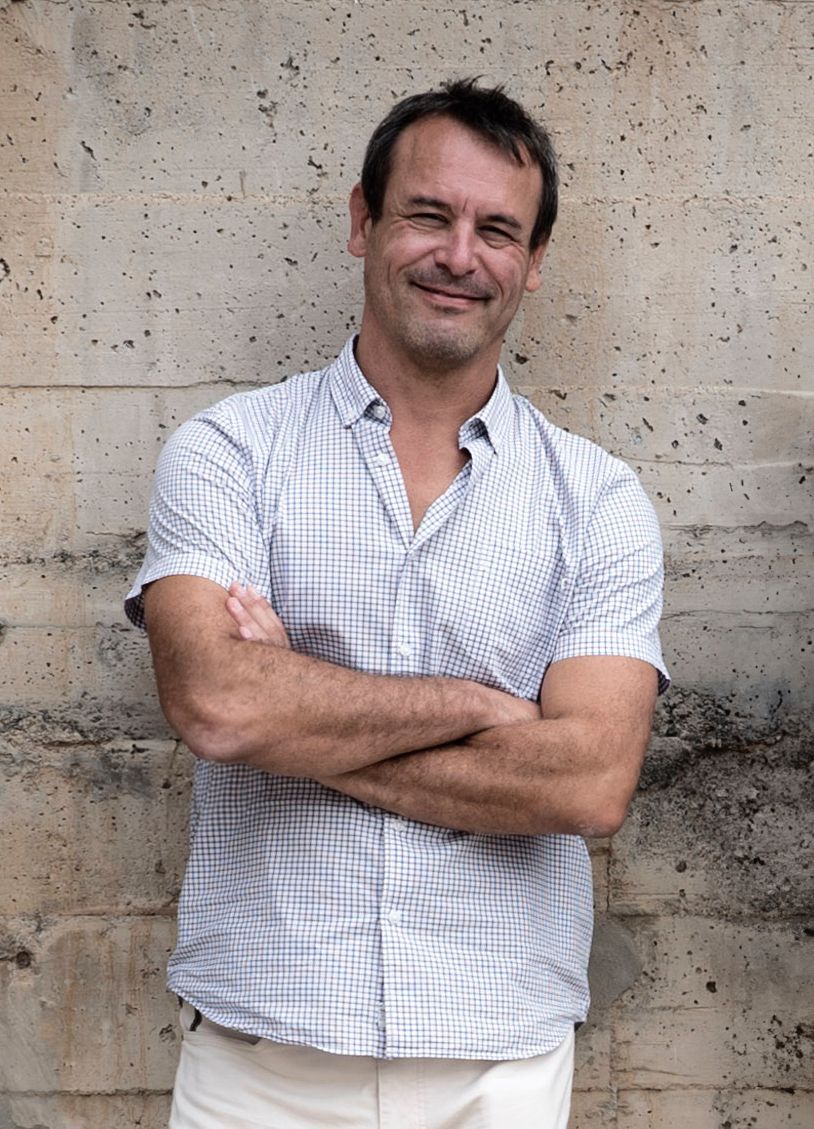

Faculty
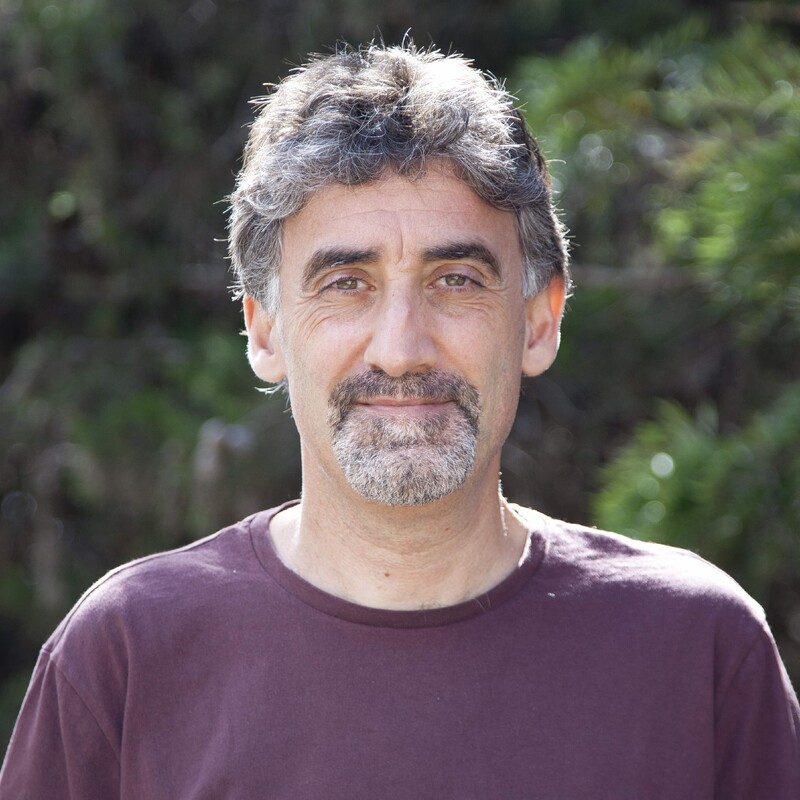
Faculty
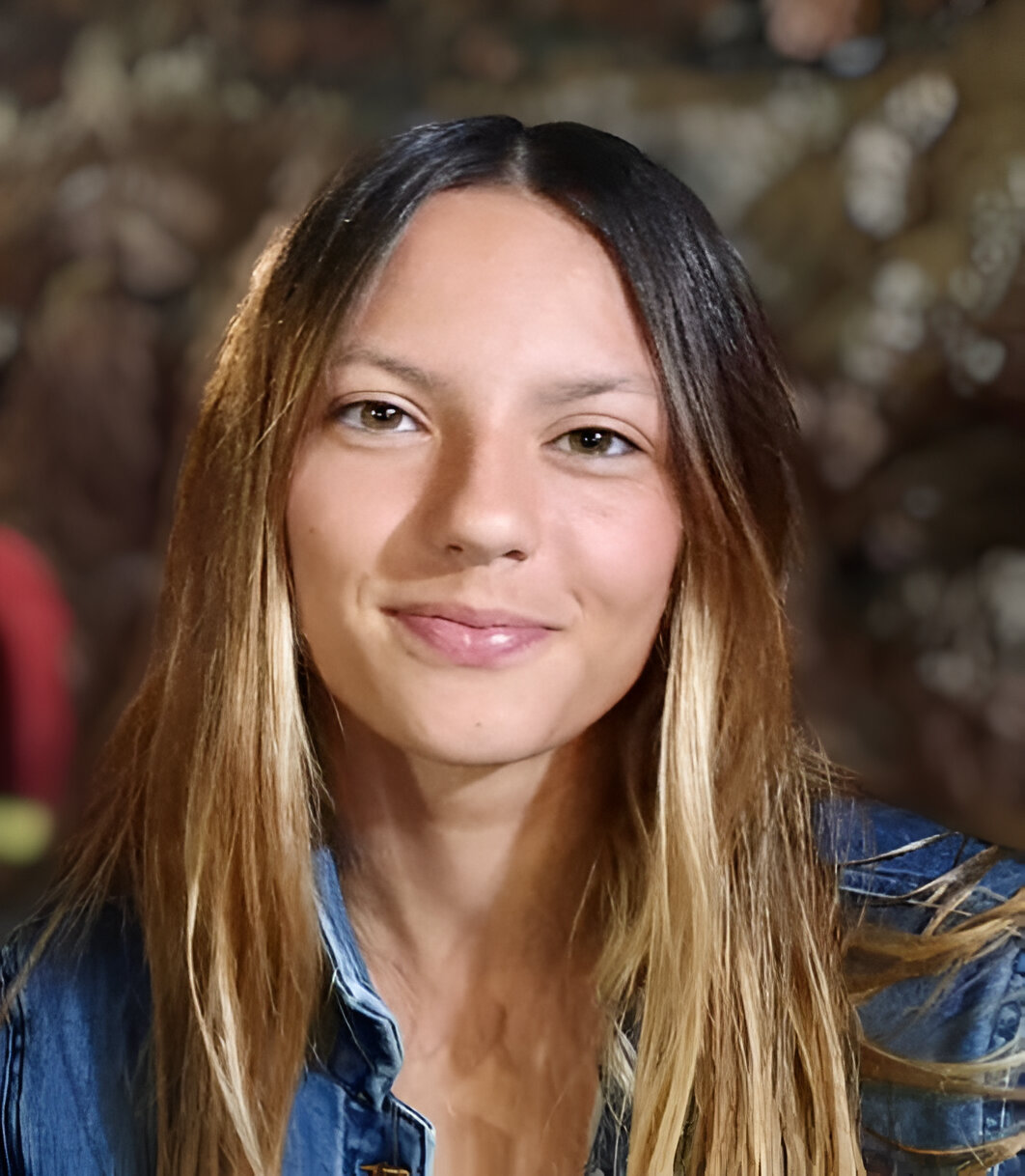
Postdoc
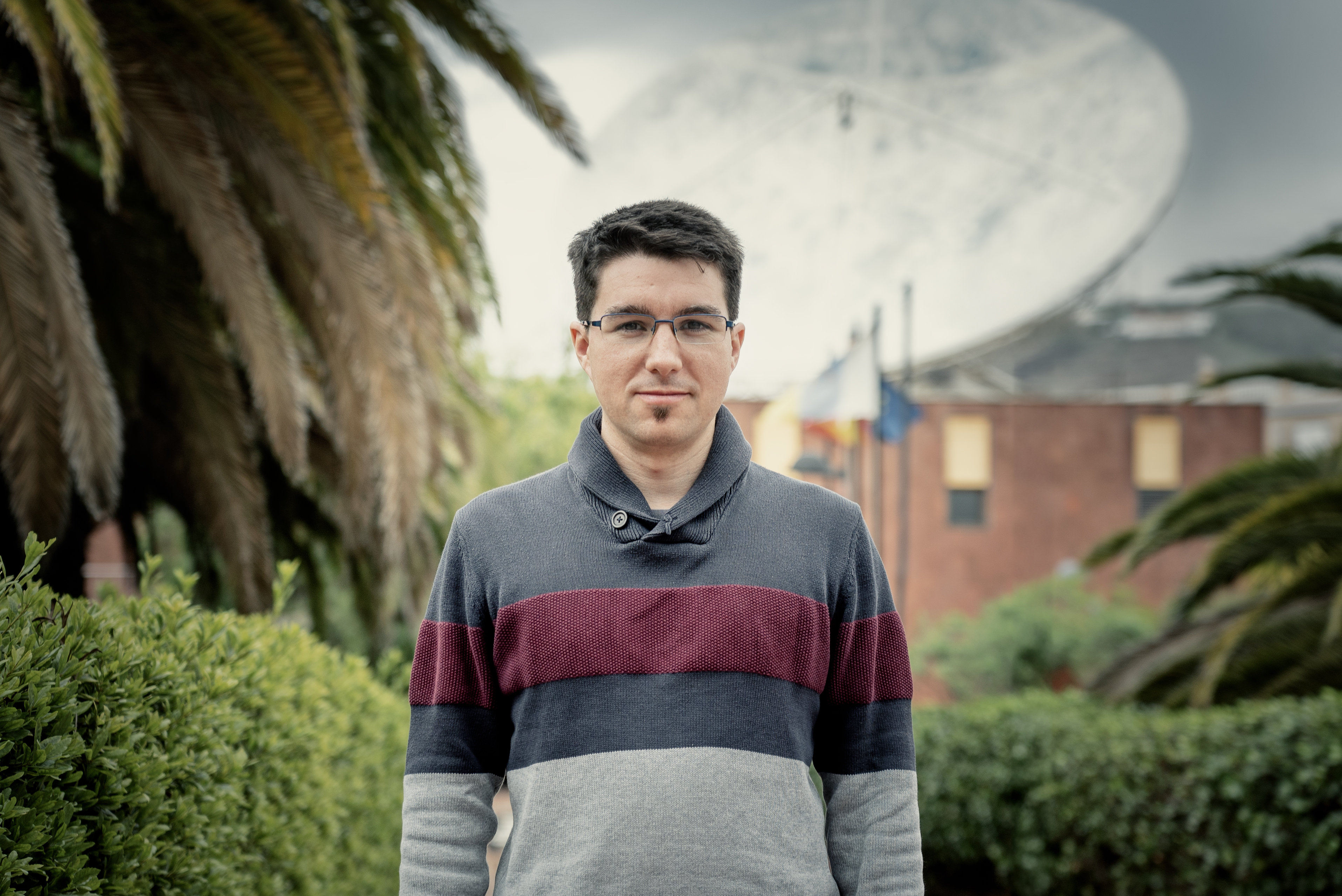
Postdoc (RyC)
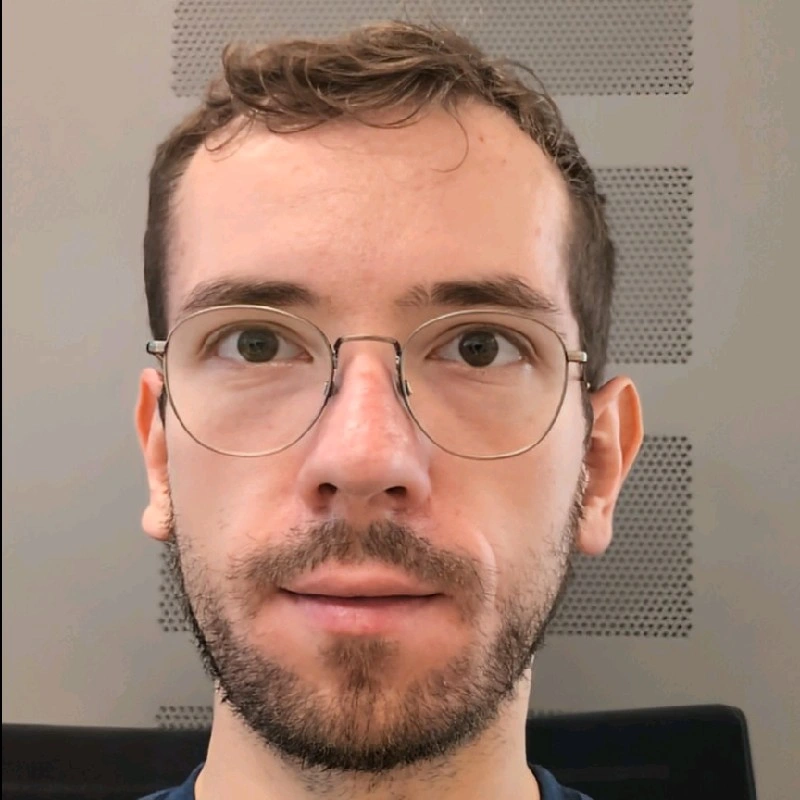
Grad Student
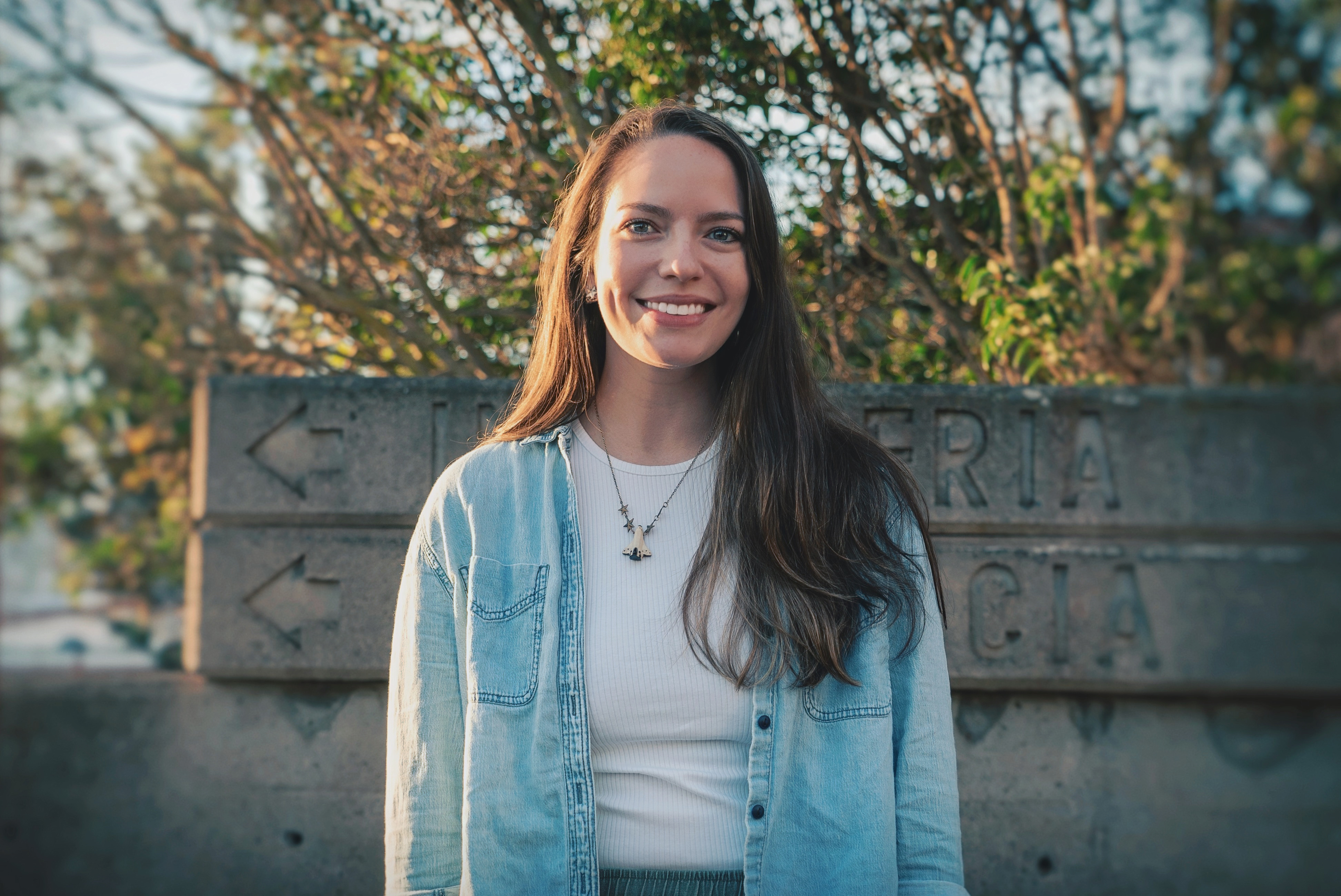
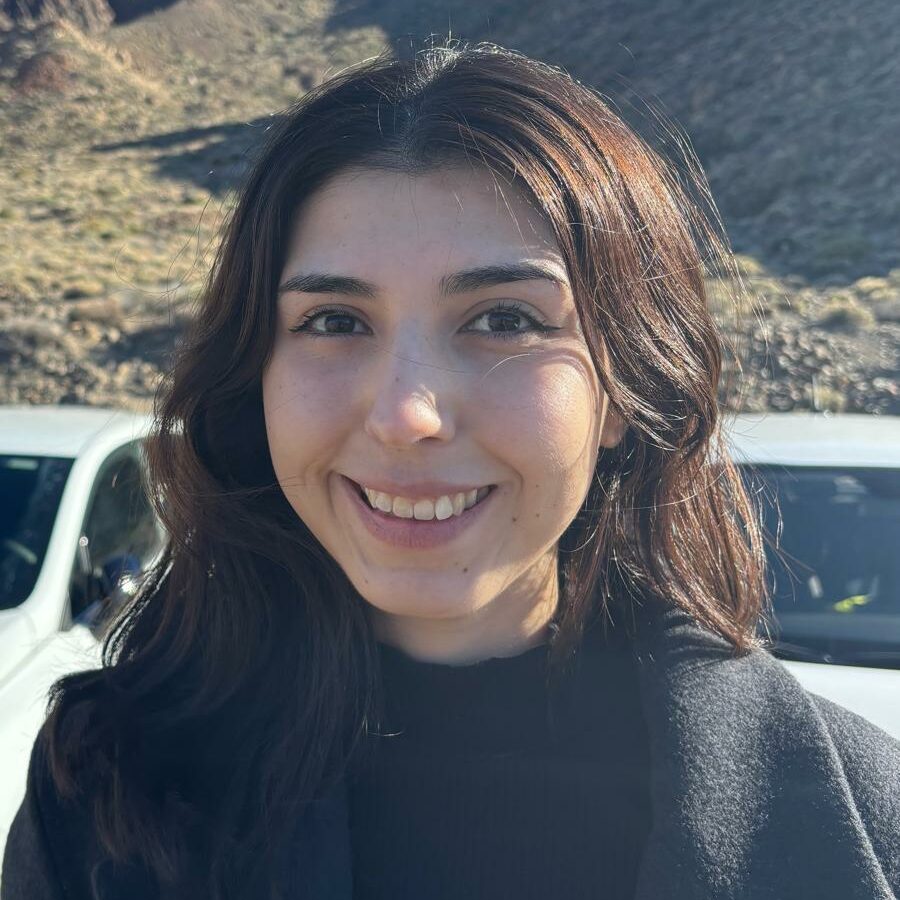
Grad Student
IA2 · RESEARCH
AI and advanced inference across astrophysics. Papers from 2024 onward, including preprints, with an IA2 member among the first three listed authors.
83 papers · Checked 2026-11-11 · Updated every two weeks
Neural posterior estimation turns partially resolved stellar populations into distance measurements.
An autoencoder searches DESI spectra for active galactic nuclei beyond conventional emission-line diagnostics.
Bayesian spectral modelling with neural-assisted nested sampling tests evidence for an ultra-fast outflow in a quiescent galaxy.
Pixel-level inference searches JWST images for signatures of Population III stars.
Flow matching estimates atmospheric parameters from three-dimensional Stokes profiles.
IA2 · GROUP MEETINGS
17 September 2026
12:00 pm WESTGTC room
1 October 2026
Andrés Asensio Ramos
12:00 pm WESTGTC room
5 November 2026
Christopher Eckner
12:00 pm WESTGTC room
19 November 2026
Francisco Kitaura
12:00 pm WESTGTC room
3 December 2026
Guillaume Thomas
12:00 pm WESTGTC room
More meetings will be added throughout the academic year.